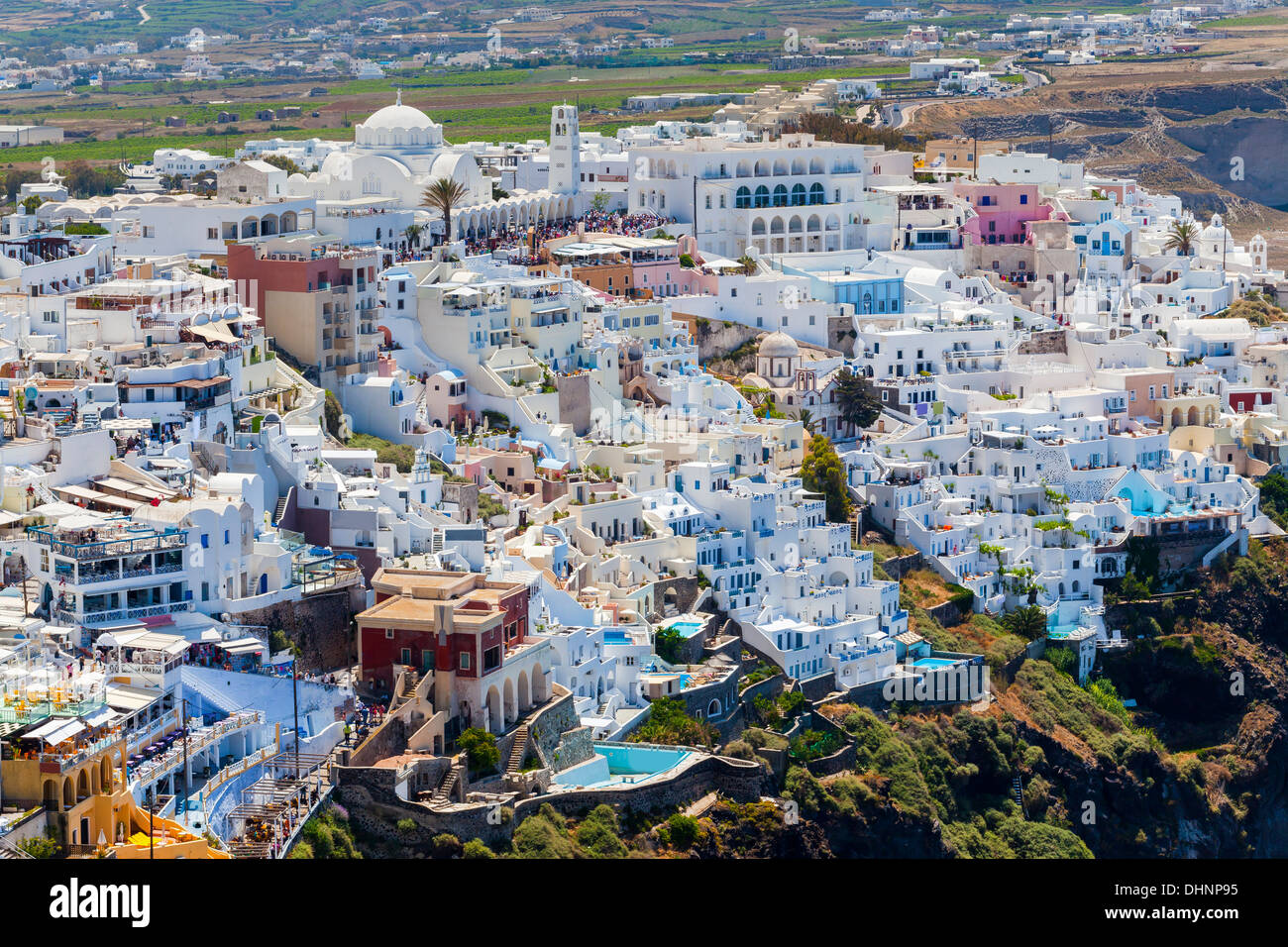
Fira
0 min from caldera edge
Start here if you want the most direct caldera-town pairing. The cliffside lanes, church domes, and easy connections make it the simplest base for combining a ferry arrival with a short onward visit.

Two islands, one stretch of open Aegean, and a crossing whose length changes with the boat you board. This Crete to Santorini ferry time guide explains what actually sets the duration, why πλοίο Κρήτη–Σαντορίνη timetables differ so widely between vessels, and where the published clock stops matching the traveller's clock. Read it before you fix the rest of the day.
Quick answer
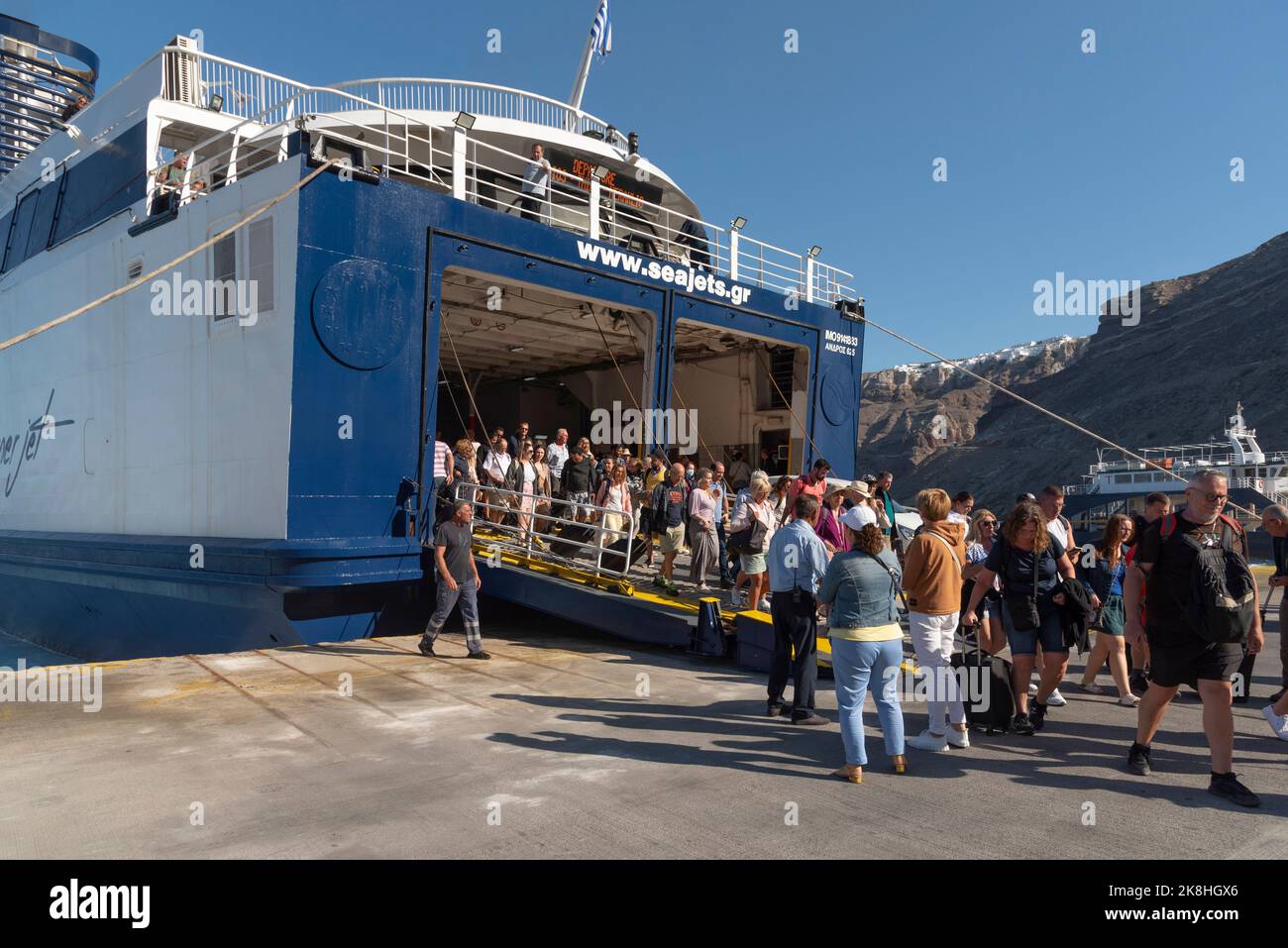
Sailing duration depends on the vessel: high-speed catamarans cover the route in roughly two hours, while conventional ferries calling at other Cycladic islands take considerably longer. The destination imposes no deadline of its own — the Santorini caldera at Thira is accessible 00:00–23:59, with no gate hours at all — so the binding constraint is the sea rather than the schedule.
The sea distance between Crete and Santorini is only about 120 kilometres, roughly 69 nautical miles of open Aegean. Yet no single figure answers the question travellers actually ask. The crete to santorini ferry time depends less on the map than on the hull beneath it. High-speed catamarans hold speeds a conventional car ferry cannot; the same water, the same distance, two entirely different afternoons. That variability is the first thing to understand. Fast craft are built light and shallow, trading sea-keeping for outright speed; larger conventional vessels are slower but steadier, and many call at intermediate Cycladic harbours such as Ios, Naxos or Paros before turning for Thira. A routing with two stops adds time no engine specification explains. Timetables also quote dock-to-dock figures, which is not the clock a traveller actually lives: boarding closes well before departure, vehicle decks load slowly in high summer, and the walk from the quay to a seat is longer than it looks. The practical consequence is that any Heraklion to Santorini ferry schedule should be read as a shape rather than a promise. Travellers attempting the crossing as a single-day return work backwards from the last northbound sailing, then subtract the transfer up from the port to the caldera rim. Those staying overnight have more latitude and often trade speed for comfort. Either way, the destination sets no deadline of its own: the caldera at Thira has no gate and no closing hour, so a midday arrival and a dusk arrival are both workable. The limiting factor sits on the water, not on the cliff. Read that way, the question behind every crete to santorini ferry time search shifts from how many hours the boat takes to how many hours of daylight remain once it docks. That reframing turns a timetable into an itinerary. Choose the vessel class that matches the day, allow slack at both ends of the journey, and treat the wider Cyclades island-hopping network as a sequence of connections rather than a straight line drawn on a chart. Anyone travelling in August 2026 should also confirm the sailing on the day of travel, since the Aegean, not the operator, has the final vote. The sections that follow set out the duration figures, the ports, the seasonal picture and the practical costs in detail; this page exists to make those numbers legible before they are consulted.
“The limiting factor sits on the water, not on the cliff.”
This plan suits day-trippers sailing from Heraklion to Santorini on a high-speed ferry and returning the same evening, with roughly 12 to 14 hours from boarding to disembarking back on Crete. The crossing itself accounts for about two hours each way, leaving six to eight hours on the island.
Vehicle and foot passengers board separately, and boarding typically closes 30 minutes before departure. Allow the full window rather than arriving at the last call.
The fast catamaran services cover the roughly 110 nautical miles in about 1 hour 45 minutes to 2 hours 15 minutes. Conventional ferries take closer to 4 hours 30 minutes on the same route.
Speed drops when swell builds, so a 2-hour scheduled sailing can run 20 to 40 minutes long. Treat the arrival time as approximate when planning the rest of the day.
Disembarkation and clearing the port road take 20 to 30 minutes as buses, taxis and transfers all load at once. The caldera rim towns sit 20 to 30 minutes uphill from the quay.
This is the usable window on the island: Fira, Imerovigli and Oia along the rim, reachable by local bus or transfer. Access to the caldera viewpoints is open at any hour, so the constraint is your return sailing, not any gate.
Head back to the port at least 90 minutes before departure. The single access road bottlenecks when several ferries load together.
The homeward leg runs the same 2 hours give or take, putting you back on Crete mid-evening. Late-afternoon winds more often delay the return than the outbound.
The best window is late spring or early autumn, especially April to June and September to October, when the Aegean is usually calmer and the crossing is more comfortable. For ferry-day planning, aim for the earlier part of the day and avoid periods when strong summer winds are more likely to affect the Cyclades.
Verdict: Tuesday to Thursday in April, May, September, or October, with an early departure and a calm forecast, is the best slot for this crossing.
Crete-to-Santorini ferry crossings are typically routed from Heraklion or Rethymno in Crete to Santorini’s ferry port at Athinios, near Thira. The practical answer depends on your exact departure port, because the crossing time changes with the port pair and the vessel used.
Heraklion Port to Athinios Port, Santorini
Rethymno Port to Athinios Port, Santorini
Heraklion Port to Athinios Port, Santorini
Rethymno Port to Athinios Port, Santorini
For Santorini, plan around Athinios, the island’s ferry arrival point, rather than the caldera rim itself. Arrive early enough to clear the port area and continue by bus, taxi, or onward transfer up to Thira, since the ferry dock sits below the main town level.
Santorini Caldera is the broad volcanic basin that defines the island’s inner sea. For Crete-to-Santorini ferry readers, the key thing to know is that you are arriving at a working volcanic landscape, not a standard harbor island setting.
The caldera is a volcanic depression created by major eruptions and collapse of the old volcano’s center. Visit Greece describes it as the vast underwater crater at the heart of Santorini’s landscape.([visitgreece.gr](https://www.visitgreece.gr/experiences/nature/volcanoes/santorinis-volcano-tour/?utm_source=openai))
Santorini is still classed as an active volcano by Visit Greece. That matters for visitors because the island’s shape, cliffs, and inner-water views all come from ongoing volcanic geology, not just ancient history.([visitgreece.gr](https://www.visitgreece.gr/en/blog/recipes/seismic-activity-in-santorini?utm_source=openai))
UNESCO notes that Santorini is essentially a massive volcanic caldera with two small islets at its submerged center. Those islets sit inside the ring that makes the caldera so recognizable from the sea.([unesco.org](https://www.unesco.org/en/articles/santorini-ongoing-earthquake-swarm?utm_source=openai))
Visit Greece links the caldera to the major eruption of the 16th century BC, when much of the island sank below sea level. That event is the core reason the coastline looks so steep and broken today.([visitgreece.gr](https://www.visitgreece.gr/experiences/nature/volcanoes/santorinis-volcano-tour/?utm_source=openai))
The ferry approach is part of the experience because the caldera walls rise sharply from the water. Visit Greece describes the surrounding volcanic islets and the approach as a way to see the crater up close.([visitgreece.gr](https://www.visitgreece.gr/experiences/nature/volcanoes/santorinis-volcano-tour/?utm_source=openai))
The caldera is framed by Santorini, Thirassia, and Aspronisi, which form the ring around the basin. This island layout is a direct result of the volcano’s collapse and helps explain the wide sea crossing inside the caldera.([whc.unesco.org](https://whc.unesco.org/document/135738?utm_source=openai))
Santorini’s caldera is one reason the island feels compact yet vertical, with settlements set high above the water. For ferry travelers, that means the arrival view is defined by cliffs, not a flat shoreline.([visitgreece.gr](https://www.visitgreece.gr/blog/travel-tips/510/santorini-an-island-or-a-volcano/?utm_source=openai))
A short caldera-side stop works best when it adds a second viewpoint or a nearby village without pulling you far from the ferry day-trip flow. Fira, Imerovigli, and Oia are the most practical pairings because they sit on the same cliff route and keep the visit focused on Santorini’s rim villages.
0 min from caldera edge
Start here if you want the most direct caldera-town pairing. The cliffside lanes, church domes, and easy connections make it the simplest base for combining a ferry arrival with a short onward visit.
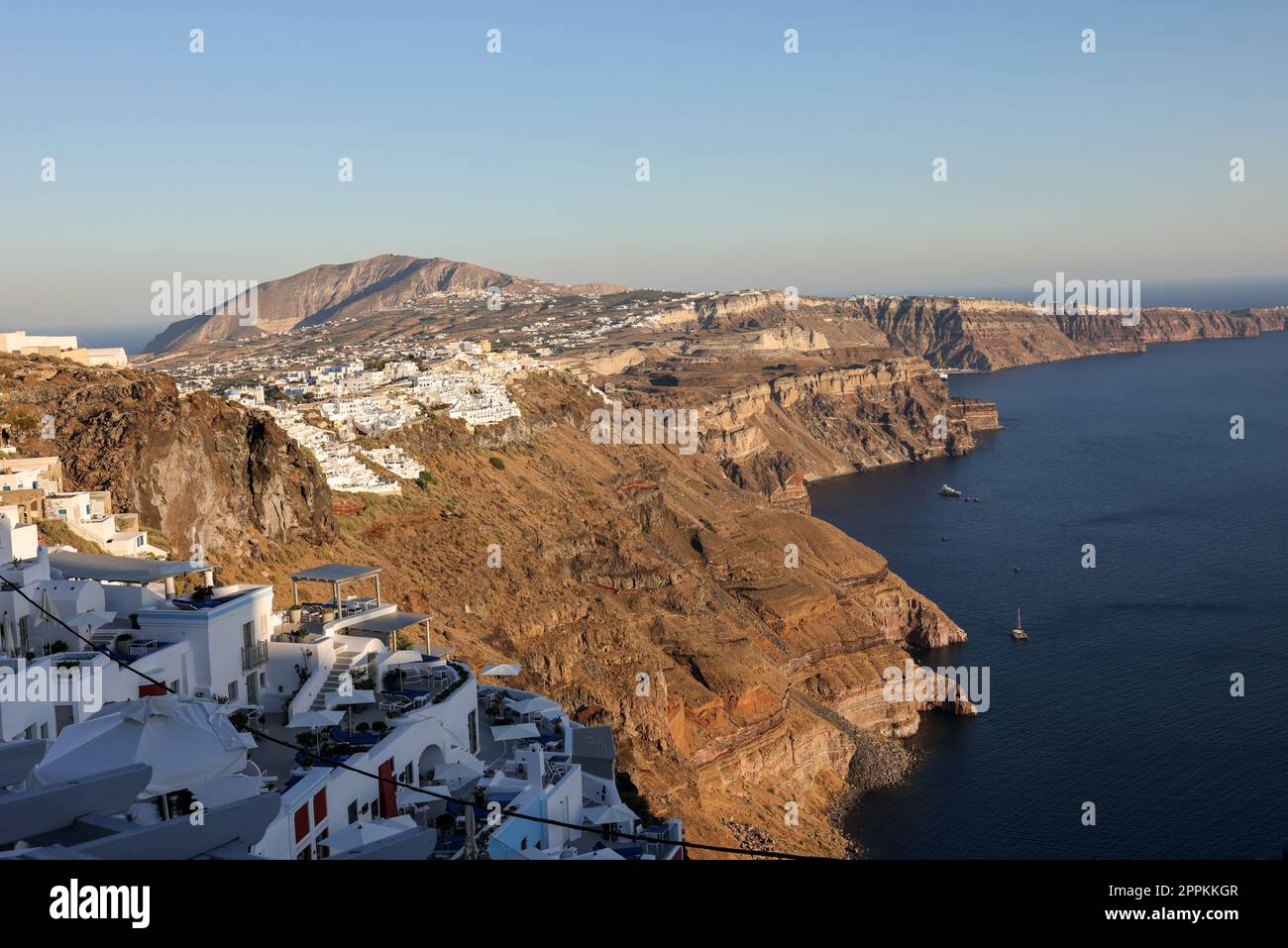
30 min walk
This is the closest quiet stop after Fira and fits well if you want a shorter, less crowded continuation along the rim. It keeps the same caldera setting while shifting the pace to a calmer village edge.
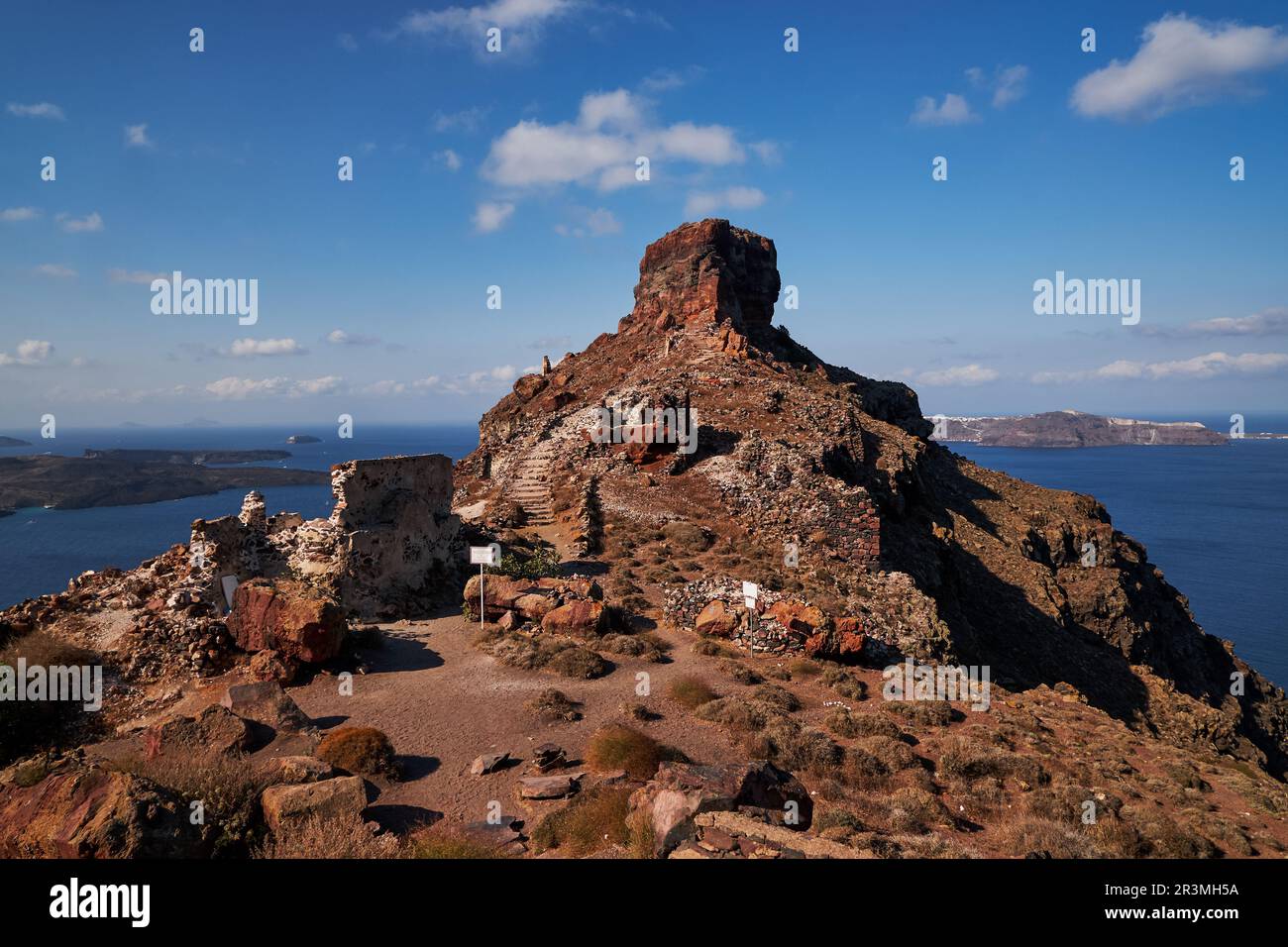
20 min walk
Skaros Rock adds a stronger viewpoint and a clear caldera landmark without needing a separate island transfer. It suits a day trip because it sits just off Imerovigli and can be paired with a brief village stop.
33 min bus from Fira
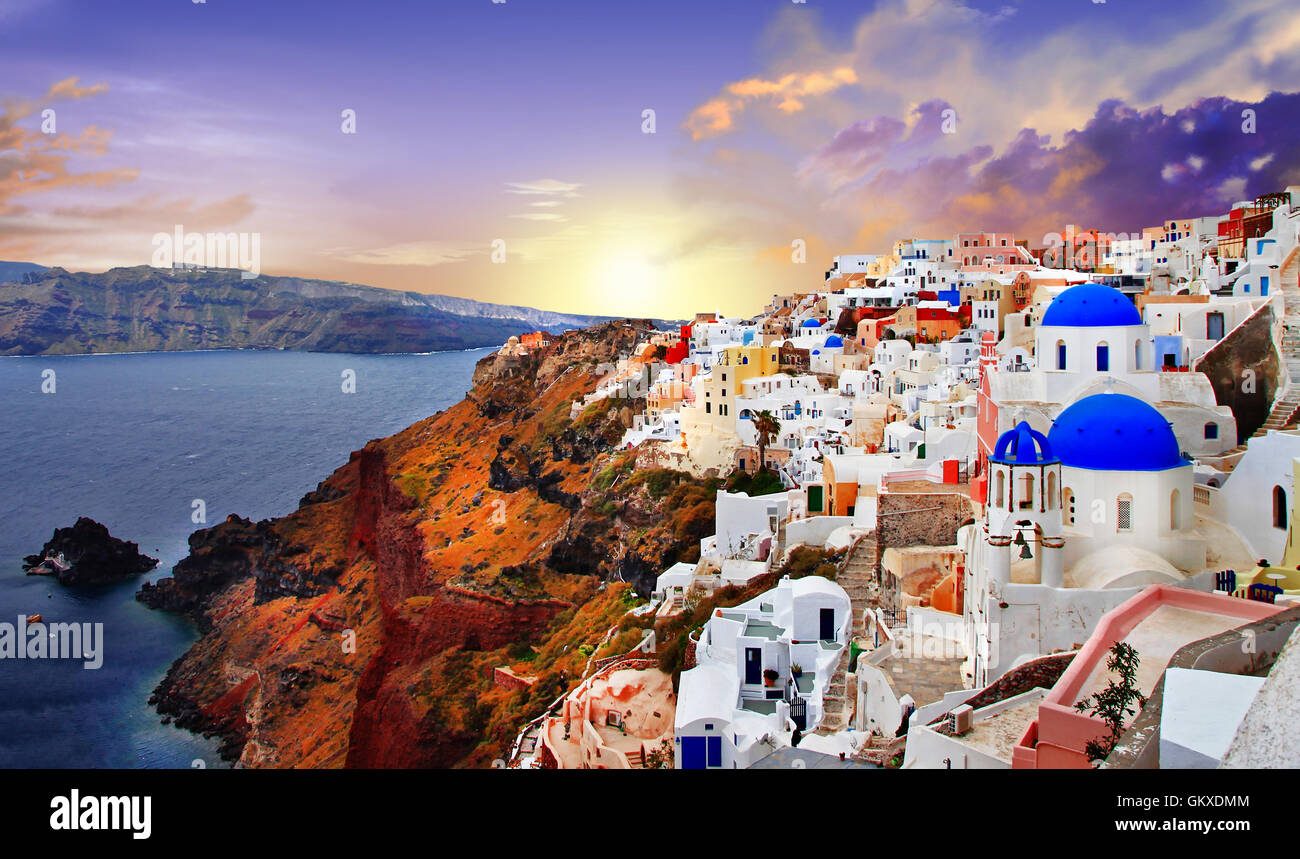
Oia works if you want to extend the same caldera theme to Santorini’s northern end. It pairs naturally with a ferry day because the route stays on the island’s main cliff line and gives a second village contrast.
19 min walk from Fira
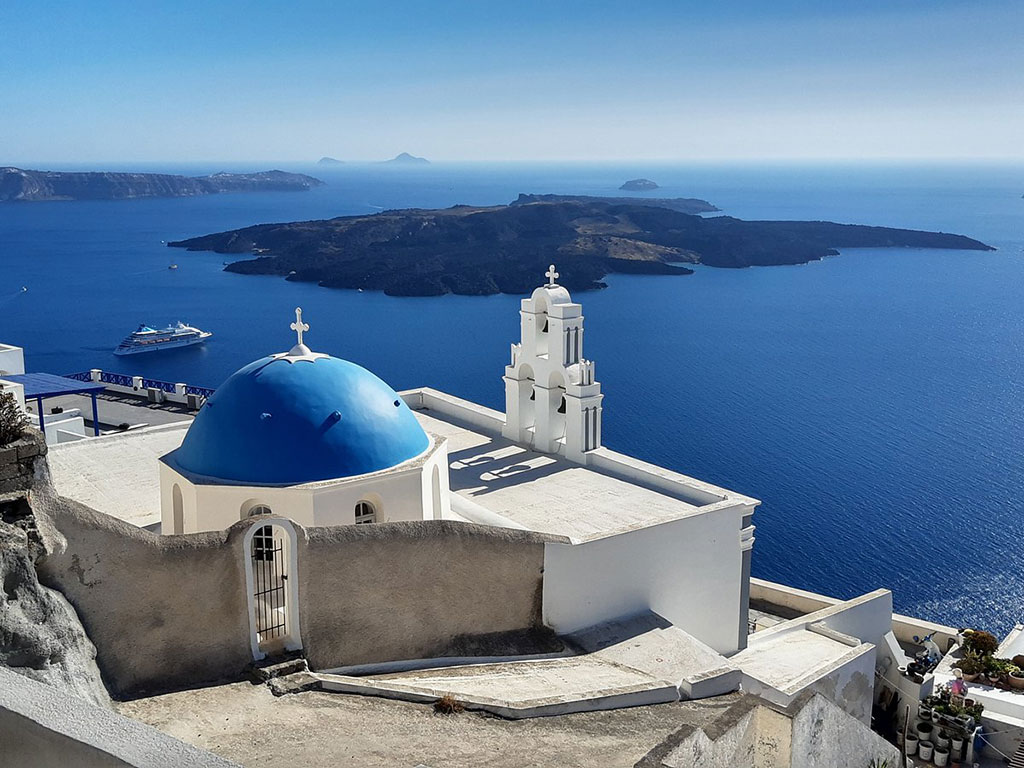
This is a compact stop when you want a quick, recognizable caldera-side landmark before or after exploring the town center. It fits well as a brief add-on rather than a separate outing.
A few details are worth confirming in the days before you sail, because most Crete–Santorini problems start on the Crete side rather than at the caldera.
Everything you need to know about crete to santorini ferry time
The usual crete to santorini ferry time on the Heraklion route is about 1 hour 35 minutes on fast ferries, with some schedules showing a 09:35 arrival after an 08:00 departure. That makes it the fastest practical sea link for a Crete-to-Santorini day trip, but exact sailing times can shift by operator and season.
In summer, the crete to santorini ferry time is commonly served daily on high-speed routes, while some operators run multiple weekly sailings. Check the live timetable before you travel because departure times and vessel assignments can change with weather and demand.
You should book the crete to santorini ferry time ahead if you are traveling in peak season or need a tight same-day return. Fast ferries on the Heraklion–Santorini route can fill quickly, and the schedule is the part most likely to change first.
For most visitors, the easiest starting point for the crete to santorini ferry time is Heraklion Port in Crete, which is the main ferry hub for Santorini. From there, ferries arrive at Thira Santorini Port, the practical gateway for onward buses, taxis, and caldera transfers.
A web-verified fare range for the crete to santorini ferry time is about 45–120 EUR on the Heraklion–Santorini ferry, depending on the operator and ticket type. Because fares vary, treat that as a planning range rather than a fixed menu.
The crete to santorini ferry time can work for kids, but a fast ferry is still a moving sea crossing, so motion sensitivity matters. Bring snacks, water, and layers, and keep in mind that boarding, waiting, and port transfers add to the total trip time.
The most common mistake with the crete to santorini ferry time is assuming all sailings are the same and not checking the exact port, departure hour, and return slot. Travelers also forget that the fastest crossing is only part of the day trip, so the ferry schedule should be matched to your caldera visit plan.
How to Get a Boat from Crete to Santorini
Read more Tickets & toursCrete to Santorini 2-Day Trips & Overnight Tours
Read more Tickets & toursCrete to Santorini Day Trip Packages
Read more GuideIs a Santorini Day Trip from Crete Worth It?
Read more GuideCrete to Santorini Day Trip Cost & Pricing
Read more Tickets & toursCrete to Santorini Day Tours & Excursions
Read more Tickets & toursCrete to Santorini Ferry Day Trips
Read more Tickets & toursChania Crete to Santorini Day Trip
Read more